
Category: WWT
-

The Role of Zero Liquid Discharge Systems in Solar Industry Wastewater Treatment
The Role of Zero Liquid Discharge Systems in Solar Industry Wastewater Treatment The solar industry is a cornerstone of the sustainable energy transition, but its manufacturing processes generate wastewater that requires responsible management. Treating this wastewater effectively is critical not only to meet stringent environmental regulations but also to conserve scarce water resources amid growing […]
-
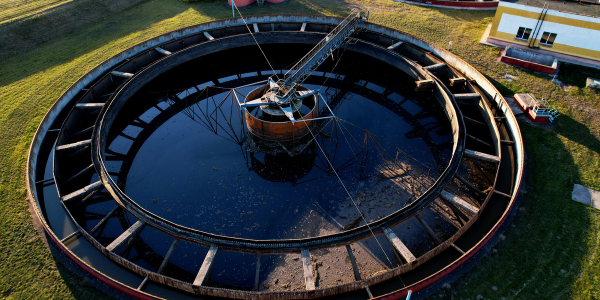
What are the Stages of Wastewater Treatment
What are the Stages of Wastewater Treatment Wastewater treatment is an essential process that helps remove harmful pollutants from water before it can be safely released back into the environment or reused. Whether you’re dealing with industrial wastewater treatment or municipal wastewater, understanding the stages of wastewater treatment is crucial for maintaining clean water and […]
-
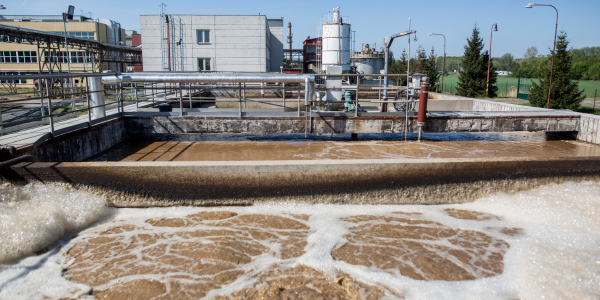
Next-Generation Wastewater Treatment: The Role of Membrane Bioreactors (MBR)
Next-Generation Wastewater Treatment: The Role of Membrane Bioreactors (MBR) Membrane Bioreactors (MBRs) have emerged as a crucial technology in the field of wastewater treatment. Their integration of biological treatment with membrane filtration offers several operational advantages over traditional methods. This blog outlines the key aspects of MBR technology, its working process, types, benefits, and operational […]
-
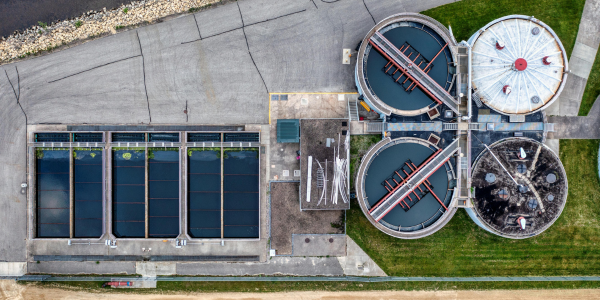
Wastewater Treatment in Semiconductor Manufacturing: Challenges and Solutions
Wastewater Treatment in Semiconductor Manufacturing: Challenges and Solutions Water is crucial in semiconductor manufacturing, used for everything from cleaning wafers to cooling equipment. However, this reliance on water leads to significant challenges in wastewater management. As environmental regulations tighten and the pressure to adopt sustainable practices increases, semiconductor manufacturers must find effective ways to manage […]
-
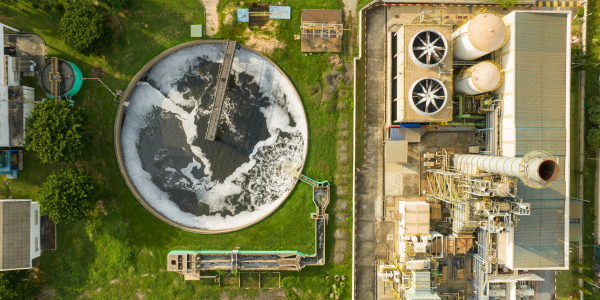
How to handle wastewater with fluctuating TDS and pH levels
How to handle wastewater with fluctuating TDS and pH levels? Wastewater treatment is a critical concern for industries, municipalities, and environmental agencies worldwide. One of the most challenging aspects of wastewater treatment is dealing with fluctuating total dissolved solids (TDS) and pH levels. These parameters significantly affect the efficiency of treatment processes and the quality […]
-

What Role Do Advanced Oxidation Processes Play in Industrial Wastewater Treatment
What Role Do Advanced Oxidation Processes Play in Industrial Wastewater Treatment? The Advanced Oxidation Process refers to a broad set of chemical treatment processes that can remove organic as well as inorganic (in some cases) materials present in wastewater by oxidation. The oxidation process occurs in the presence of hydroxyl radicals (OH). The AOPs convert […]
-

How to Select the Right Chemicals for Industrial Effluent Treatment
How to Select the Right Chemicals for Industrial Effluent Treatment As environmental concerns grow and regulations tighten, responsibly managing industrial wastewater has shifted from being a choice to an absolute necessity. From manufacturing plants to chemical refineries, every industry generates a unique cocktail of pollutants that, if left untreated, can have devastating effects on our […]
-

How Hybrid ZLD Transforms High-TDS Effluent into Reuse Water?
How Hybrid ZLD Transforms High-TDS Effluent into Reuse Water? In the wastewater, there are total solids (TS), which are made of all measurable solids present in the effluent. There are two components of TS: insoluble, suspended solids (Total Suspended Solids, TSS) and dissolved solids (Total Dissolved Solids, TDS). The TDS indicates the amount of all […]
-
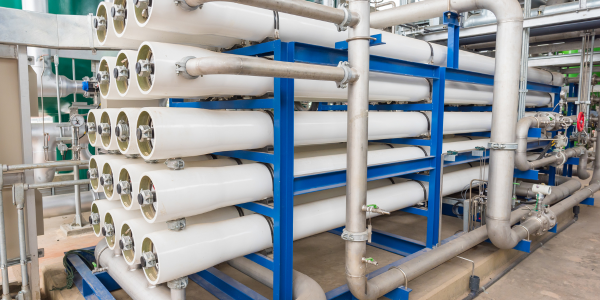
Why Reverse Osmosis and Nanofiltration Are Ideal for Water Recycling Systems?
Why Reverse Osmosis and Nanofiltration Are Ideal for Water Recycling Systems? In the wastewater recycling process, the choice of the filtration system plays a paramount role in maintaining the resultant water quality and ensuring sustainability in the environment. Nanofiltration and Reverse Osmosis are two widespread technologies that are used for water filtration in wastewater treatment […]
-

How Advanced Oxidation Process Enhances Wastewater Treatment?
How Advanced Oxidation Process Enhances Wastewater Treatment? The advanced oxidation wastewater treatment process was initially proposed for drinking water treatment, but now its application includes industrial wastewater treatment as well. The advanced oxidation process (AOP) is a complex method in which hydroxyl radicals (OH-) or sulfate radicals (SO4-) are generated to remove refractory organic pollutants. […]