
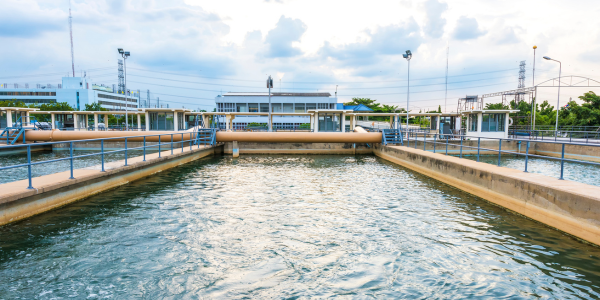
Zero Liquid Discharge for food and beverage plants is a wastewater treatment approach that recovers reusable water and converts remaining waste into solids. It helps facilities reduce freshwater use, control discharge risk, meet tighter regulations, and manage high-strength wastewater from dairy, beverage, meat, starch, and processed food operations.
Food and beverage manufacturing depends heavily on water for washing, cooling, cleaning, boilers, and sanitation. As this water leaves the plant, it often carries sugars, proteins, salts, fats, oils, nutrients, suspended solids, and cleaning chemicals. That makes wastewater a major issue for compliance, water security, production continuity, and operating costs.
Zero Liquid Discharge, or ZLD, is one of the most advanced approaches in food and beverage wastewater treatment. In a ZLD plant, wastewater is treated, reused, and concentrated until no liquid effluent leaves the site. Recovered water returns to selected plant uses, while remaining contaminants are converted into sludge, salts, or other solids for disposal or possible recovery. One widely used industry definition describes ZLD as an approach where “all water is recovered, and contaminants are reduced to solid waste.”
This blog explains how zero liquid discharge systems work, why ZLD in food and beverage industry operations is gaining attention, where it makes sense, and how plant teams can evaluate the application of ZLD in food & beverage industry settings without overspending.
Food and beverage wastewater is different from many industrial waste streams because its strength and composition can change by the hour. A dairy plant may send lactose-rich wash water in one shift and high-fat CIP wastewater in another. A brewery may release yeast, spent grain residues, sugars, caustic rinse, and acidic cleaning waste. A fruit processor may produce seasonal flows with pulp, color, suspended solids, and changing pH. Meat and poultry plants can add blood, proteins, fats, nutrients, and high organic load.
The core challenge is not only volume. It is variability. Common parameters include BOD, COD, TSS, TDS, oil and grease, FOG, pH, temperature, nitrogen, phosphorus, chlorides, sulfates, and cleaning chemical residues. High BOD and COD can overload biological systems. Fats and oils can clog pipes and foul membranes. Dissolved salts can limit reuse. Nutrients can create permit risk, especially where receiving waters are sensitive.
Recent wastewater data shows why manufacturers are paying closer attention. UN-Water reported that in 22 reporting countries, only 38% of industrial wastewater was treated and 27% was safely treated. Food processing can be especially demanding. In starch processing, published ranges show about 10 to 20 cubic meters of wastewater per ton of starch, with COD often between 5,000 and 50,000 mg/L, BOD between 3,000 and 30,000 mg/L, and suspended solids between 1,000 and 5,000 mg/L.
Regulatory pressure is also rising. Discharge permits increasingly focus on nutrients, salinity, toxicity, and total load, not just conventional BOD and TSS. Indirect dischargers that send wastewater to municipal plants may face tighter pretreatment limits, surcharges, or flow caps. At the same time, drought, groundwater restrictions, seasonal shortages, municipal capacity limits, and rising water tariffs make on-site reuse more attractive. This is where ZLD becomes part of a broader water management plan.
Zero liquid discharge systems are multi-stage wastewater treatment trains built to recover reusable water and convert the remaining concentrate into solids. A full ZLD system is not one machine. It is a sequence of physical, chemical, biological, membrane, and thermal treatment steps matched to the wastewater chemistry.
A typical ZLD flow may include:
The recovered water may be used for cooling towers, boiler feed after polishing, floor washing, crate washing, irrigation where allowed, utilities, or selected non-product-contact cleaning. Product-contact reuse needs strict food safety review, validated treatment barriers, monitoring, and approval under local rules.
The most direct benefit of ZLD is water recovery. Plants that reuse treated water on site can lower intake from wells, rivers, tankers, or municipal systems. This matters in water-stressed regions and industrial parks with limited supply. Water reuse is most practical when treated water is produced near the point of use.
ZLD can help plants meet strict discharge requirements by removing the liquid discharge pathway. This can reduce exposure to effluent violations, discharge shutdowns, surcharge disputes, and public complaints. For facilities near sensitive waterways, aquifers, or dense communities, this can be a major business benefit.
A plant may have room to add a production line but no permission to increase wastewater discharge. In those cases, ZLD or near-ZLD can separate growth from discharge volume. Instead of asking for more effluent capacity, the plant recovers water and manages a smaller solid or slurry stream.
Some food and beverage wastewater streams carry recoverable value. Anaerobic treatment can produce biogas from high-strength organic wastewater. Certain brines may contain salts that can be reused or sold if purity and market conditions support it. Nutrient-rich streams may support fertilizer pathways, though this needs careful quality and regulatory review.
Food brands are under pressure to show responsible water management. ZLD is not always the right answer, but where it fits, it signals serious water stewardship and can reduce wastewater tanker traffic.
1. High capital cost
ZLD can be expensive because it often includes membranes, evaporators, crystallizers, automation, chemical systems, tanks, civil works, and solids handling equipment. A small plant with low discharge charges may struggle to justify full ZLD. The business case becomes stronger when water costs, discharge penalties, scarcity risk, and expansion limits are included.
2. Energy use
Thermal concentration and crystallisation can consume significant energy. Mechanical vapour recompression can reduce steam demand, but the system still needs power and careful operation. Energy planning is critical, especially in plants with refrigeration, boilers, and pasteurizers.
3. Membrane fouling and scaling
Food wastewater contains organics, fats, proteins, colloids, calcium, silica, and cleaning chemical residues. These can foul membranes or form scale. Pretreatment quality often determines whether RO and nanofiltration work well. Poor upstream control can turn a good ZLD design into a maintenance burden.
4. Brine and solids management
ZLD does not make contaminants disappear. It converts liquid waste into concentrated brine, sludge, salts, or mixed solids. Plants need a plan for dewatering, storage, testing, transport, and final disposal. If salts contain organics, nutrients, heavy metals, or cleaning residues, disposal costs may rise.
5. Food safety boundaries
Recovered water is not automatically suitable for every use. Food and beverage plants must separate product-contact, non-product-contact, utility, and sanitation uses. Reuse quality must match risk. A plant should use validated water quality targets, online monitoring, and clear internal rules.
6. Skills and reliability
ZLD systems need trained operators. Biological treatment, membrane cleaning, antiscalant dosing, evaporator operation, crystallizer control, and solids handling all need attention. Plants that run 24/7 need redundancy, spare parts, and maintenance windows.
ZLD is not a universal answer. It fits best where water is scarce, discharge is restricted, wastewater has high salinity or high reuse potential, or plant expansion depends on better water recovery. Below are common applications.
Dairy wastewater can contain milk solids, lactose, fats, proteins, detergents, and CIP chemicals. Many dairy plants start with source reduction, product recovery, DAF, anaerobic treatment, aerobic polishing, and membrane treatment. ZLD may be added where RO reject, evaporator condensate, and CIP streams need further concentration. Recovered water can often serve utilities after suitable polishing.
Practical tip: reduce product loss first. Milk lost to drain becomes BOD, COD, sludge, energy demand, and chemical cost.
Breweries generate wastewater from mash, wort, fermentation, yeast handling, bottle washing, keg washing, and CIP. Beverage plants may produce lower organic loads but higher cleaning chemical swings and rinse water volumes. ZLD can help in regions with discharge caps or high water stress. Recovered water is often better suited for utilities, cooling, boiler pretreatment, and washdown than direct ingredient use.
Practical tip: split high-strength organic streams from low-strength rinse water. Treating everything together can make reuse harder and more expensive.
These plants often produce seasonal wastewater with high suspended solids, sugars, starch, soil, color, and variable pH. Anaerobic digestion, DAF, filtration, and membranes may recover water while reducing organic load before final concentration.
Practical tip: install screening and solids capture near the source. Every kilogram of peel, pulp, and starch removed early lowers load on downstream membranes and evaporators.
Meat and poultry wastewater may contain blood, protein, fats, oil and grease, nutrients, suspended solids, chlorides, and cleaning chemicals. These streams can stress municipal plants and attract regulatory attention. ZLD may be used in constrained sites, but only after strong primary and biological treatment. Full ZLD is harder when FOG and organics are poorly controlled.
Practical tip: improve dry cleanup, blood recovery, offal handling, and grease separation before adding advanced treatment.
These facilities can have oily wastewater, salt, seasonings, starches, sugars, acids, caustics, and colour. ZLD can be useful where high TDS or difficult COD limits make discharge costly. DAF, chemical treatment, biological polishing, ultrafiltration, RO, and evaporation may be combined.
Practical tip: keep high-salt streams separate. Salt is one of the biggest cost factors in ZLD because it ends up in the brine circuit.
Zero Liquid Discharge can be a powerful tool for food and beverage wastewater treatment, but it must be applied with care. The benefits are clear: lower freshwater dependence, less discharge risk, better resilience in water-stressed locations, and a stronger environmental position. The challenges are also real: cost, energy demand, fouling, brine handling, safety limits, and skilled operation.
The best ZLD projects start with wastewater prevention, source segregation, reliable pretreatment, clear reuse goals, and pilot testing. Full ZLD is most useful where discharge is restricted, water is scarce, or plant growth depends on reuse. In many other cases, near-ZLD or targeted water reuse may give better value.
If your plant is reviewing zero liquid discharge systems, start with a full water balance and a stream-by-stream wastewater study. Then compare treatment paths based on risk, cost, water recovery, compliance, and long-term operability. Share your experience, questions, or lessons from ZLD in food and beverage industry projects in the comments. Your insights may help another plant avoid costly mistakes.
ZLD is important because food and beverage wastewater often contains high organic load, fats, oils, salts, nutrients, and cleaning chemicals. These pollutants can make discharge costly or difficult. Zero liquid discharge systems help plants recover water, lower dependency on freshwater, and meet strict wastewater rules.
Zero liquid discharge systems usually combine pretreatment, biological treatment, filtration, reverse osmosis, evaporation, and crystallisation. The system removes solids, organics, salts, and other contaminants. Clean water is reused in the plant, while the remaining waste is converted into solid material for disposal or possible recovery.
ZLD is not suitable for every plant. It works best for facilities facing water scarcity, strict discharge limits, high water costs, or expansion restrictions. Some plants may get better value from partial water reuse or minimal liquid discharge instead of full ZLD.
Yes, treated ZLD water can be reused, but the reuse application must match the water quality. Many plants reuse recovered water for cooling towers, boiler feed after polishing, cleaning, floor washing, or utilities. Direct product-contact reuse needs strict food safety review and regulatory approval.
Plants can reduce ZLD cost by cutting water use at the source, separating waste streams, recovering product before it reaches the drain, improving CIP cycles, using biological treatment before membranes, and pilot testing the system. Better pretreatment can lower fouling, chemical use, and energy demand.
The future of ZLD in food and beverage wastewater treatment is likely to include more water reuse, better membrane systems, energy-efficient evaporation, automation, and resource recovery. Many plants may also choose near-ZLD systems that recover most water without the full cost of complete ZLD.