
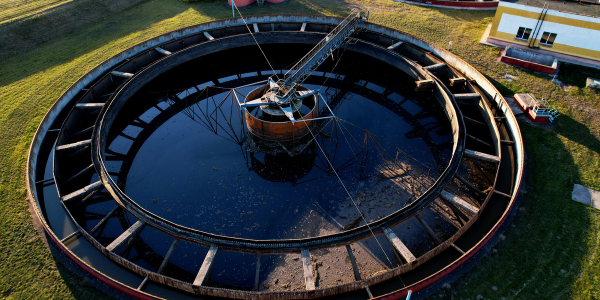
Wastewater treatment is an essential process that helps remove harmful pollutants from water before it can be safely released back into the environment or reused. Whether you’re dealing with industrial wastewater treatment or municipal wastewater, understanding the stages of wastewater treatment is crucial for maintaining clean water and promoting environmental sustainability. In this blog, we will break down the different wastewater treatment process steps, highlighting the importance of each stage and how it contributes to water purification and resource recovery. By the end, you will have a clear understanding of the process, from initial screening to advanced treatment methods.
The process of wastewater treatment typically consists of several distinct stages. Each stage serves a specific purpose in removing pollutants, contaminants, and solids from wastewater to produce treated, safe water. Let’s explore these stages in detail.
Preliminary treatment is the first step in wastewater treatment designed to remove large debris and materials that could interfere with the efficiency of the subsequent treatment stages.
Importance: Preliminary treatment is essential because it protects the equipment downstream and prevents blockages in the treatment system. Removing large solids also helps improve the efficiency of the rest of the wastewater treatment process.
In primary treatment, the focus is on removing suspended solids that remain in the wastewater after the preliminary screening.
Importance: Primary treatment significantly reduces the amount of solid material in the water, but it does not eliminate dissolved pollutants like chemicals, bacteria, or nutrients. However, it serves as an essential first step in making the wastewater easier to treat in the next stages.
Secondary treatment is a critical stage in the wastewater treatment process, where biological processes are used to break down organic matter in the water.
Importance: Secondary treatment is vital for reducing the levels of organic matter and nutrients in wastewater, making it suitable for further treatment or safe discharge into the environment. However, it may not be enough to remove all harmful substances, especially in industrial wastewater.
Tertiary treatment is the final step in wastewater treatment, used to remove any remaining contaminants and improve the quality of treated water.
Importance: Tertiary treatment is vital for industries and municipalities that need to meet strict water quality standards before discharging the water back into rivers or using it for non-potable applications, such as irrigation.
The final step of the wastewater treatment process is dealing with the sludge that is generated during the primary, secondary, and tertiary treatment stages.
Importance: Sludge treatment is essential to manage the residual waste generated during the treatment process. Proper management ensures that the sludge does not contribute to pollution or harm the environment.
While the general wastewater treatment process is similar across different industries, industrial wastewater treatment involves additional complexities due to the presence of hazardous materials, chemicals, and higher concentrations of pollutants.
The stages of wastewater treatment, from preliminary screening to advanced disinfection and sludge management, play a critical role in ensuring wastewater is effectively treated for discharge or reuse. Each stage serves to remove contaminants, organic matter, and pollutants, ultimately improving water quality and contributing to environmental sustainability.
At Wipro Water, we offer comprehensive wastewater treatment solutions tailored to industries and municipalities. With expertise in advanced technologies like Zero Liquid Discharge (ZLD) and Membrane Bioreactors (MBR), we help optimize water reuse, meet compliance standards, and support sustainable water management. Trust Wipro Water to provide efficient and environmentally responsible wastewater treatment for your business.