
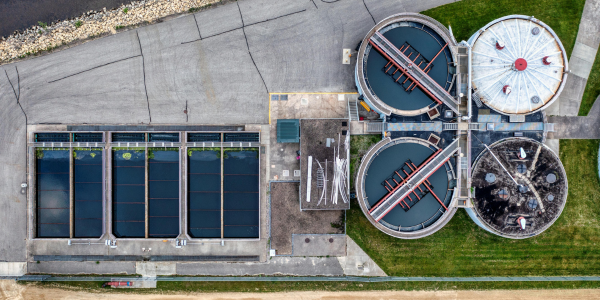
Water is crucial in semiconductor manufacturing, used for everything from cleaning wafers to cooling equipment. However, this reliance on water leads to significant challenges in wastewater management. As environmental regulations tighten and the pressure to adopt sustainable practices increases, semiconductor manufacturers must find effective ways to manage wastewater.
In this blog, we’ll outline the challenges the semiconductor industry faces in managing wastewater and discuss solutions to address them. Whether you’re involved in the semiconductor industry or environmental management, this guide will provide practical insights on managing wastewater effectively.
The semiconductor manufacturing process generates wastewater that often contains hazardous chemicals and heavy metals. Here are some of the primary challenges manufacturers face:
High Purity Water Demand
Semiconductor manufacturing requires ultra-pure water, and even trace contaminants can impact product quality. This makes wastewater treatment systems highly specialized to meet extremely low contaminant thresholds.
Chemical Complexity and Toxicity
Wastewater often contains a complex mix of toxic chemicals, such as acids, solvents, and heavy metals, which makes treatment particularly challenging. These require highly specialized systems to safely neutralize and remove harmful substances.
Micro-pollutants and Nanomaterials
The increasing use of nanomaterials and micro-pollutants in advanced semiconductor processes presents significant challenges for traditional treatment methods, demanding advanced filtration and chemical treatment technologies.
High Water Volumes
Semiconductor manufacturing is water-intensive, generating large volumes of wastewater. This high water demand can overwhelm standard treatment systems, particularly in water-scarce regions where recycling and reuse are essential.
Non-Uniform Wastewater Composition
Unlike other industries, semiconductor wastewater composition can vary greatly between production batches, depending on the materials used. This variability makes treatment systems difficult to standardize and requires adaptable solutions.
Several innovative solutions are helping the semiconductor industry address wastewater treatment challenges. Below are some of the most effective strategies:
1. Reverse Osmosis (RO) and Filtration Systems
Reverse osmosis (RO) is a widely used filtration technology in the semiconductor industry. RO membranes remove dissolved solids, heavy metals, and other contaminants, producing high-quality water that can be reused in production. Filtration systems like activated carbon and ultrafiltration membranes are also used to improve water quality.
2. Zero Liquid Discharge (ZLD) Systems
Zero liquid discharge (ZLD) systems are designed to eliminate wastewater discharge by recovering and reusing almost all of the water in the manufacturing process. This technology helps semiconductor manufacturers reduce their environmental impact while meeting regulatory requirements.
3. Advanced Chemical Treatment
Wastewater from semiconductor manufacturing often contains chemicals like acids and metals. Advanced chemical treatments, including neutralization, coagulation, and chemical precipitation, are used to effectively remove these contaminants.
4. Membrane Bioreactors (MBR)
Membrane bioreactors (MBR) combine biological treatment with membrane filtration, effectively removing organic pollutants and pathogens from wastewater. MBR technology is particularly useful for semiconductor manufacturers that need to treat large volumes of wastewater while meeting high-quality standards.
As semiconductor manufacturers face increasing pressure to reduce water usage and improve wastewater treatment, several trends are emerging in the industry:
Integrating IoT technologies into wastewater treatment systems allows manufacturers to monitor water quality in real-time. Smart sensors can track key parameters such as pH levels, chemical concentrations, and flow rates, helping to optimize treatment processes and reduce operational costs.
Manufacturers are increasingly using green chemicals in production processes. These chemicals are safer for the environment and easier to treat in wastewater, reducing the environmental impact of semiconductor manufacturing.
The concept of a circular water economy, where water is continuously reused and recycled, is gaining traction in the semiconductor industry. This approach helps manufacturers reduce freshwater consumption and minimize wastewater generation.
Wastewater treatment in semiconductor manufacturing presents several challenges, including contamination, regulatory compliance, and the need for water recycling. However, there are effective solutions available, such as reverse osmosis, ZLD systems, and MBRs, that can help manufacturers address these issues. By adopting these technologies, semiconductor companies can improve their operations and contribute to sustainability goals.
As the industry continues to evolve, staying informed about new wastewater treatment trends and technologies will be crucial for maintaining compliance and reducing environmental impact.
Yes, treated wastewater can definitely be reused in semiconductor production. Many manufacturers are now recycling water through systems like MBR and RO to reduce their reliance on fresh water. By reusing treated water for non-critical processes, manufacturers can minimize wastewater generation and conserve valuable resources.
Wipro Water offers advanced wastewater treatment technologies, including Reverse Osmosis (RO), ZLD systems, and MBR solutions. These systems help semiconductor manufacturers meet regulatory standards, conserve water, and reduce environmental impact. Our team works closely with manufacturers to provide tailored solutions that improve efficiency and sustainability.
In semiconductor manufacturing, water is used extensively in processes like cleaning and cooling. The wastewater generated often contains harmful chemicals and metals, making it crucial to treat it before discharge. Proper wastewater treatment ensures that manufacturers meet environmental regulations and can recycle water to reduce consumption, helping both the environment and operational costs.
Wipro Water offers advanced wastewater treatment technologies, including Reverse Osmosis (RO), Zero Liquid Discharge (ZLD) systems, and Membrane Bioreactor (MBR) solutions. These systems help semiconductor manufacturers meet regulatory standards, conserve water, and reduce environmental impact. Our team works closely with manufacturers to provide tailored solutions that improve efficiency and sustainability.