
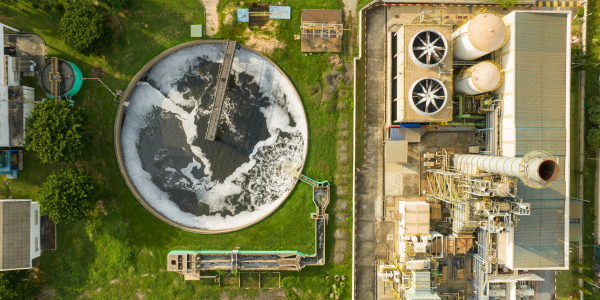
Wastewater treatment is a critical concern for industries, municipalities, and environmental agencies worldwide. One of the most challenging aspects of wastewater treatment is dealing with fluctuating total dissolved solids (TDS) and pH levels. These parameters significantly affect the efficiency of treatment processes and the quality of treated water. Whether you’re managing industrial effluents, municipal wastewater, or even domestic waste, understanding how to effectively manage these variables can make a substantial difference in your treatment outcomes.
In this comprehensive blog post, we will look into the importance of monitoring and controlling TDS and pH levels in wastewater. We will explore various techniques for TDS reduction and discuss how pH fluctuations can be addressed in wastewater treatment. By the end of this post, you’ll be equipped with practical strategies to handle wastewater with fluctuating TDS and pH levels efficiently.
Total Dissolved Solids (TDS) refers to the total concentration of dissolved substances in water. These can include salts, minerals, metals, and other organic or inorganic compounds. High TDS levels in wastewater often indicate contamination with substances like heavy metals, salts, or other impurities that can affect water quality and treatment processes.
Why TDS Matters in Wastewater Treatment
TDS is crucial because high levels can:
pH is a measure of how acidic or alkaline water is. It plays a significant role in the treatment of wastewater as it influences the solubility of many substances, the effectiveness of chemical treatments, and the overall biological treatment process.
Why pH Matters in Wastewater Treatment
Maintaining the proper pH is vital because:
Both TDS and pH can fluctuate due to various factors:
These fluctuations pose challenges in maintaining stable and efficient wastewater treatment processes, making it critical to implement effective strategies for managing TDS and pH levels.
When TDS levels become too high, treatment methods must be employed to reduce TDS to acceptable levels. Here are some of the most effective TDS reduction techniques:
Frequent monitoring of TDS levels is essential for ensuring effective treatment. Using continuous TDS sensors allows operators to track changes in real time and adjust the treatment process accordingly.
Pre-treatment methods are often used to reduce TDS levels before wastewater enters the primary treatment phase. Techniques such as flocculation (where chemicals are added to form flocs that bind to contaminants) can help in removing suspended solids and reducing TDS concentrations.
The most common way to address pH fluctuations is by adding chemicals to adjust the pH to optimal levels:
Buffering agents help stabilize pH by maintaining a consistent pH level even when acidic or alkaline compounds are added to the system. Common buffering agents include phosphates and carbonates, which act to stabilize the pH in certain ranges.
Certain biological treatment systems, like Activated Sludge or Membrane Bioreactors (MBR), are pH-sensitive and require strict pH monitoring. The pH can be naturally regulated through microbial activity, which breaks down organic matter and neutralizes acids in the system.
To ensure precise pH control, many wastewater treatment plants use continuous pH monitoring sensors and automated dosing systems. These systems can adjust chemical addition rates in real-time to stabilize pH levels effectively.
Both TDS and pH are interrelated in wastewater treatment. High TDS levels can influence pH, and similarly, extreme pH can affect the solubility of dissolved solids. Therefore, it is important to integrate the management of both parameters to ensure optimal treatment efficiency.
Leveraging real-time data from both TDS and pH monitoring can significantly improve treatment performance. Automated systems can adjust processes based on sensor inputs, ensuring that the treatment remains efficient and effective throughout fluctuations in TDS and pH.
Managing wastewater with fluctuating TDS and pH levels is crucial for effective treatment systems. By implementing proper techniques such as chemical dosing and advanced filtration technologies like reverse osmosis and electrodialysis, industries and municipalities can improve water quality, reduce environmental impact, and optimize operational efficiency