
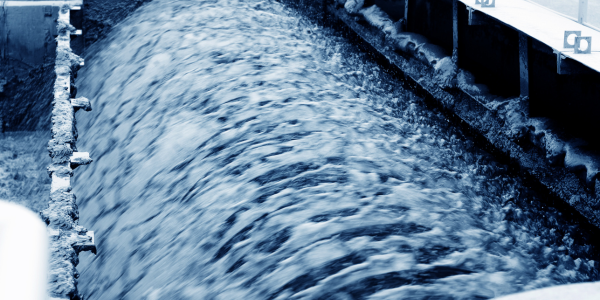
There is an inevitable role of the Sewage Treatment Plants (STPs) in keeping the water safe and protecting our environment. The STPs are responsible for the treatment of wastewater released from homes, factories, and other industrial plants. These plants remove harmful components from the wastewater and make the water fit for further use in various purposes. People are highly dependent on these systems to keep their surroundings free from pollution.
Every day, these plants handle an enormous volume of wastewater for the treatment and work excessively to treat every drop. However, problems arise when these plants face operational failures. These operational failures can result in delays in treatment and harm the ecosystem.
In this article, we will go through all the major operational failures in STPs and how to prevent them.
If the STP experiences operational challenges, then it will highly influence the working capacity of the plant. The system has to manage huge loads of water for treatment, and the process must be efficient. The operational challenges affect the overall flow of work and the discharged wastewater quality. Here are the major operational issues in sewage treatment plants:
When the volume of wastewater exceeds the capacity of the sewage treatment plant, the problem of overloading arises. Though the system tries hard to process the wastewater, however, the treatment slows down due to higher than the capacity. In overloading, the biological issue also arises. The operational team also find it hard to keep the process on track. The plant struggles to perform well, and water is not always treated properly or on schedule. Every instant of overload disrupts the flow of work and impairs the plant’s ability to deliver clean water.
Improper maintenance of your STP plant will create problems in plant operations in many ways. Regular care is required for the proper working of the equipment and to eliminate wear and tear of the components. When the maintenance schedules are not followed as planned, it results in treatment delays.
It is the responsibility of the operational team to repair faults and bring the process back to normal. Each moment without regular maintenance degrades the plant’s performance and makes the system less capable of meeting daily demands. Maintenance issues disturb every phase of the therapeutic process, emphasising the need for ongoing upkeep.
The mechanical and equipment issues will also contribute to the operational failures in the sewage treatment plant process. Machines such as aerators, pumps, and filters should work smoothly and without error. If these machines fail, the entire sewage treatment plant solution will come to a halt and affect overall treatment performance. Here are the common equipment and mechanical issues:
In the sewage treatment plant process, there is an important role for pumps and motors. However, without proper maintenance, these machines may pose frequent problems. A pump carries out the function of moving water through the treatment process while the motor drives that movement. If any of these stops working, then the system struggles. The flow of water becomes uneven, and the treatment system loses its track.
If the plants in your machines are not able to quickly identify the detect problems quickly then there are certainly some faults with the sensors and controls. Sensors help keep the process in balance, and controls adjust the system automatically. The system will not run to its fullest potential when the sensors cannot perform their job.
The sewage treatment plants play a crucial role in the wastewater treatment processes. To prevent operational failures in sewage treatment plans, maintenance activities are highly required. If this maintenance is not performed, there will always be inefficiency, foul odours, water contamination, and increased operating costs. The following are some of the necessary maintenance techniques for a STP plant to continue operating efficiently.
Maintenance Activities to Avoid Operational Failures:
Daily cleaning and inspection are often overlooked during maintenance, but it is a fundamental and critical aspect. It helps in blockage prevention and keeps the system free of debris. The wastewater also keeps flowing smoothly through various treatment stages. Here are the essential steps:
In the biological processes, there is an important role of the aeration system in which air is fed into the chambers for the growth of useful bacteria. In case of improper maintenance, the system will result in low efficiency in the breakdown of organic matter. Here are the essential steps:
During wastewater treatment, the leftover residue, i.e. sludge, is formed, which requires proper handling and management. If it is not handled properly, its accumulation will reduce the system’s efficiency and also cause environmental damage. Here are the necessary steps to take:
As we stated above, pumps and motors are like the heart and brain of the sludge treatment process. These two machines continuously work to ensure the process is running. The resultant water quality and wastewater treatment can degrade if one or more pumps get faulty. Here are the essential steps to take:
Chlorination is required to disinfect treated water before releasing it back to the environment. In case it is not at its optimal level, it can severely impact the flora and fauna of the environment. Here are the essential steps to take:
If you are leveraging UV disinfection, then this system will neutralise pathogens in the treated water. For the best functionality of UV lamps, regular maintenance is essential. Here are the important considerations:
The electrical system is the powerhouse of the sewage treatment plant, without which nothing is possible. All the major components, like motors, pumps, and others, are run by the electrical system. Any fault in this is a complete showdown. Here are the essential steps to ensure the electrical system keeps running:
The operational failures in sewage treatment plants are not always inevitable, and regular maintenance checks can help in preventing them. Maintenance is important for effective wastewater treatment, environmental regulations compliance, and long-term reliability of the sewage treatment plant. Some recommended practices include routine cleaning, aeration system monitoring, sludge management, pump inspection, chlorination system check, UV disinfection maintenance, electrical system maintenance, and water quality testing. The regular performance of these maintenance operations maintains the smooth operation of your STP plant, prevents costly breakdowns, and protects the environment from untreated wastewater. A well-maintained STP not only offers clean water but also improves the overall sustainability of wastewater treatment operations and services.
At Wipro Water, we provide services for sewage treatment plants, including maintenance. Our professionals are experts in diagnosing the existing issues and providing the best solutions for them. Let us know your requirements.