
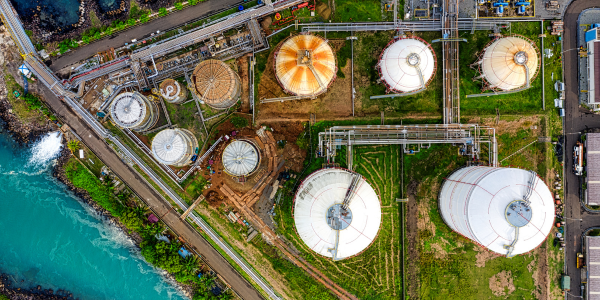
Before discussing the hidden costs, it is important to understand why water treatment is essential across industries.
Water treatment refers to the process of removing contaminants, suspended solids, chemicals, bacteria, and dissolved impurities from water so it can be safely used, reused, or discharged. Industrial facilities rely on different types of treatment systems depending on their applications.
Water treatment works through multiple stages, depending on the industry and water quality requirements.
Common Treatment Stages
Poor water treatment creates aggressive chemical conditions inside boilers, cooling towers, heat exchangers, pipelines, and storage tanks. High dissolved oxygen levels, improper pH balance, chlorides, sulfates, and microbial contamination accelerate electrochemical reactions that damage metal surfaces. Corrosion often begins as pitting or under-deposit corrosion before progressing into severe structural deterioration. In boiler systems, untreated feedwater can cause tube leaks and mechanical failure under high-temperature and high-pressure conditions. Cooling systems are also highly vulnerable because unstable water chemistry increases the risk of galvanic corrosion and biofilm formation.
The financial impact includes unplanned shutdowns, emergency maintenance, equipment replacement, reduced asset lifespan, and production interruptions. Corrosion-related failures can also contaminate process streams and reduce product quality.
Scaling and fouling occur when dissolved minerals such as calcium carbonate, calcium sulfate, magnesium hydroxide, and silica accumulate on equipment surfaces due to poor water chemistry control. These deposits form inside boilers, heat exchangers, cooling systems, and membrane units, reducing heat transfer efficiency and increasing energy demand.
Reverse osmosis systems are especially vulnerable to fouling caused by suspended solids, biological growth, and inorganic scaling. Fouled membranes require higher operating pressure, frequent chemical cleaning, and increased maintenance downtime. Over time, inefficient heat transfer systems increase fuel consumption, electricity costs, and carbon emissions.
Many industrial operations depend on stable water quality parameters for consistent production. Poor water treatment introduces fluctuations in pH, conductivity, hardness, microbial contamination, and suspended solids, creating instability across manufacturing systems.
Industries such as pharmaceuticals, semiconductor manufacturing, food processing, and power generation are highly sensitive to water quality variations. Contaminated process water can affect sterile manufacturing, damage electronic components, reduce product consistency, and lower thermal efficiency. These failures result in production downtime, delayed deliveries, emergency maintenance costs, and supply chain disruptions.
Industrial wastewater treatment regulations are becoming increasingly strict across global industries. Facilities discharging untreated or partially treated wastewater face risks related to chemical oxygen demand, biological oxygen demand, suspended solids, nutrient discharge, heavy metals, toxic compounds, and pH violations.
Poor treatment performance is often caused by overloaded systems, inconsistent chemical dosing, inadequate biological treatment, poor sludge management, and insufficient monitoring. Non-compliance can result in penalties, environmental remediation costs, operational restrictions, temporary shutdowns, and reputational damage.
Poor water treatment practices increase freshwater dependency through excessive reject water generation, uncontrolled blowdown losses, poor condensate recovery, and limited wastewater reuse. Facilities without optimized recycling systems consume significantly higher volumes of freshwater while discharging reusable water streams as waste.
This increases utility expenses, wastewater discharge costs, chemical consumption, and energy demand. Industries operating in water-stressed regions also face additional risks related to production continuity and future water usage restrictions.
Poor water treatment creates hidden operational costs that gradually affect equipment reliability, production stability, energy efficiency, regulatory compliance, and long-term operational performance. Corrosion, scaling, membrane fouling, process instability, wastewater non-compliance, and excessive freshwater consumption can significantly increase maintenance costs and reduce system efficiency across industrial operations.
Implementing technically advanced water treatment solutions is critical for maintaining stable process conditions, reducing downtime, and improving water recovery efficiency. This is where Wipro Water supports industries with engineered water and industrial wastewater treatment solutions designed for complex operational environments. From boiler water treatment and cooling water management to membrane-based treatment systems, wastewater recycling, and zero liquid discharge infrastructure, Wipro Water helps industries improve process reliability, maintain regulatory compliance, and reduce operational inefficiencies caused by poor water quality.
Some of the most common challenges in water treatment include corrosion, scaling, membrane fouling, microbial contamination, sludge generation, high total dissolved solids (TDS), and inconsistent water chemistry. Industrial facilities also face operational issues related to energy consumption, wastewater compliance, chemical dosing control, and fluctuating influent quality. These challenges in water treatment can reduce equipment efficiency, increase maintenance costs, and create production instability across industrial processes.
Water treatment works by removing physical, chemical, and biological contaminants from raw water, process water, cooling water, and wastewater streams. Industrial systems typically use multiple treatment stages such as clarification, filtration, chemical dosing, reverse osmosis, biological treatment, and disinfection. The treatment process helps control pH, hardness, dissolved solids, microbial activity, and suspended particles to maintain stable operating conditions and protect industrial equipment.
Water treatment solutions help industries maintain process efficiency, reduce corrosion and scaling, improve water recovery, and meet environmental discharge regulations. Advanced treatment systems also reduce energy consumption, improve equipment lifespan, and minimise operational downtime. Industries such as pharmaceuticals, food processing, power generation, chemicals, and manufacturing depend on reliable water treatment solutions to maintain product quality and process stability.
Poor water treatment can cause corrosion, scaling, fouling, biofilm formation, and clogging inside boilers, cooling towers, pipelines, membranes, and heat exchangers. These issues reduce heat transfer efficiency, increase energy consumption, shorten equipment lifespan, and create unexpected maintenance shutdowns. Improper water chemistry also increases the risk of process contamination and operational instability.
Industrial wastewater treatment is essential for controlling pollutants such as chemical oxygen demand (COD), biological oxygen demand (BOD), suspended solids, nutrients, and heavy metals before wastewater discharge. Proper treatment helps industries comply with environmental regulations, reduce ecological impact, avoid penalties, and maintain operational continuity. Advanced industrial wastewater treatment systems also support water reuse and sustainable resource management.
Water treatment solutions help industries maintain process efficiency, reduce corrosion and scaling, improve water recovery, and meet environmental discharge regulations. Advanced treatment systems also reduce energy consumption, improve equipment lifespan, and minimise operational downtime. Industries such as pharmaceuticals, food processing, power generation, chemicals, and manufacturing depend on reliable water treatment solutions to maintain product quality and process stability.