What are the Stages of Wastewater Treatment

Stages of Wastewater Treatment

Wastewater treatment is an essential process that helps remove harmful pollutants from water before it can be safely released back into the environment or reused. Whether you’re dealing with industrial wastewater treatment or municipal wastewater, understanding the stages of wastewater treatment is crucial for maintaining clean water and promoting environmental sustainability. In this blog, we will break down the different wastewater treatment process steps, highlighting the importance of each stage and how it contributes to water purification and resource recovery. By the end, you will have a clear understanding of the process, from initial screening to advanced treatment methods.

Stages of Wastewater Treatment:

The process of wastewater treatment typically consists of several distinct stages. Each stage serves a specific purpose in removing pollutants, contaminants, and solids from wastewater to produce treated, safe water. Let’s explore these stages in detail.

1. Preliminary Treatment: Screening and Grit Removal

Preliminary treatment is the first step in wastewater treatment designed to remove large debris and materials that could interfere with the efficiency of the subsequent treatment stages.

  • Screening: At this stage, the wastewater passes through large screens that capture large solids, such as sticks, leaves, plastic items, and other debris. These items are removed to prevent damage to equipment in later stages.

  • Grit Removal: After screening, wastewater often contains grit like sand, gravel, and small stones, which can be abrasive to treatment equipment. Grit chambers are used to allow these heavy particles to settle at the bottom, where they are then removed.

Importance: Preliminary treatment is essential because it protects the equipment downstream and prevents blockages in the treatment system. Removing large solids also helps improve the efficiency of the rest of the wastewater treatment process.

2. Primary Treatment: Settling and Removal of Suspended Solids

In primary treatment, the focus is on removing suspended solids that remain in the wastewater after the preliminary screening.

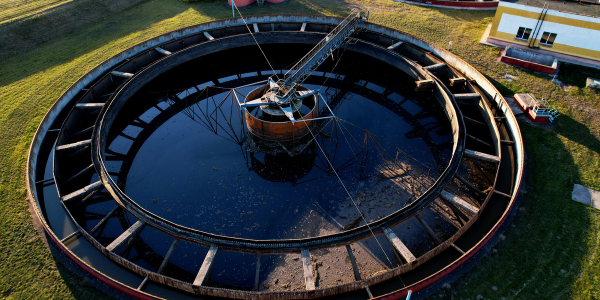
  • Sedimentation Tanks: Wastewater is directed into large sedimentation tanks where the flow is slowed down. This allows heavier particles, such as sand and suspended solids, to settle at the bottom of the tank.

  • Skimming: The lighter substances, such as oils and grease, float to the top of the sedimentation tank. These substances are then skimmed off the surface.

Importance: Primary treatment significantly reduces the amount of solid material in the water, but it does not eliminate dissolved pollutants like chemicals, bacteria, or nutrients. However, it serves as an essential first step in making the wastewater easier to treat in the next stages.

3. Secondary Treatment: Biological Treatment

Secondary treatment is a critical stage in the wastewater treatment process, where biological processes are used to break down organic matter in the water.

  • Activated Sludge Process: In this stage, wastewater is aerated in large tanks to promote the growth of bacteria and other microorganisms. These microbes feed on the organic matter in the wastewater, breaking it down into simpler compounds.

  • Biological Filters and Trickling Filters: In some cases, wastewater is passed over biological filters, where microorganisms attach to the filter material. These microorganisms break down the organic matter as the water passes through.

  • Membrane Bioreactors (MBR): An advanced method that combines biological treatment with membrane filtration to remove fine solids and bacteria.

Importance: Secondary treatment is vital for reducing the levels of organic matter and nutrients in wastewater, making it suitable for further treatment or safe discharge into the environment. However, it may not be enough to remove all harmful substances, especially in industrial wastewater.

4. Tertiary Treatment: Advanced Filtration and Chemical Treatment

Tertiary treatment is the final step in wastewater treatment, used to remove any remaining contaminants and improve the quality of treated water.

  • Filtration: Advanced filtration methods, such as sand filters or activated carbon filters, are used to remove smaller particles and microorganisms that weren’t removed in the previous stages.

  • Chemical Treatment: In some cases, chemicals are added to the wastewater to remove dissolved nutrients, heavy metals, and other contaminants. Common chemicals used include chlorine (for disinfection), alum (for flocculation), and ozone.

  • Disinfection: The treated water is often disinfected using UV light or chlorine to kill any remaining bacteria and pathogens. This step is crucial for ensuring that the water is safe for environmental discharge or reuse.

Importance: Tertiary treatment is vital for industries and municipalities that need to meet strict water quality standards before discharging the water back into rivers or using it for non-potable applications, such as irrigation.

5. Sludge Treatment: Managing Residual Waste

The final step of the wastewater treatment process is dealing with the sludge that is generated during the primary, secondary, and tertiary treatment stages.

  • Thickening: Sludge is first thickened to reduce its volume. This is done by allowing solids to settle and then removing excess water.

  • Dewatering: The thickened sludge is then dewatered using centrifuges, drying beds, or filter presses, which remove most of the remaining water.

  • Digestion: In some cases, the dewatered sludge is subjected to anaerobic or aerobic digestion, which further breaks down the organic material and reduces its volume.

  • Disposal or Resource Recovery: The final sludge is either sent for disposal or can be used as a resource for land application (e.g., fertilizer) or even energy production through biogas generation.

Importance: Sludge treatment is essential to manage the residual waste generated during the treatment process. Proper management ensures that the sludge does not contribute to pollution or harm the environment.

Key Considerations in Industrial Wastewater Treatment

While the general wastewater treatment process is similar across different industries, industrial wastewater treatment involves additional complexities due to the presence of hazardous materials, chemicals, and higher concentrations of pollutants.

  • Customization: The industrial wastewater treatment process may require customized solutions based on the type of industry, such as pharmaceuticals, textiles, food processing, or petrochemicals. Industries often need specialized treatment techniques to remove contaminants unique to their operations.
  • Zero Liquid Discharge (ZLD): Many industrial facilities are now moving toward ZLD systems, where all wastewater is treated and reused, with no discharge to the environment. This process reduces water consumption and helps industries meet environmental regulations.

Conclusion

The stages of wastewater treatment, from preliminary screening to advanced disinfection and sludge management, play a critical role in ensuring wastewater is effectively treated for discharge or reuse. Each stage serves to remove contaminants, organic matter, and pollutants, ultimately improving water quality and contributing to environmental sustainability.

At Wipro Water, we offer comprehensive wastewater treatment solutions tailored to industries and municipalities. With expertise in advanced technologies like Zero Liquid Discharge (ZLD) and Membrane Bioreactors (MBR), we help optimize water reuse, meet compliance standards, and support sustainable water management. Trust Wipro Water to provide efficient and environmentally responsible wastewater treatment for your business.